
The landscape of AI image generation has shifted dramatically in 2026 with the arrival of Z-Image, a powerhouse open-source model developed by Alibaba's Tongyi Lab. While models like Flux and Midjourney have set high bars for quality, Z-Image introduces a critical third dimension where it reigns supreme: Speed.
In this guide, we'll dive deep into what makes Z-Image a game-changer for creators, developers, and hobbyists alike.
What is Z-Image?
Z-Image is a Single-Stream Diffusion Transformer (S3-DiT) model with 6 billion parameters. Unlike traditional diffusion models that treat text and image processing as separate pipelines, Z-Image unifies them into a single flow. This architectural breakthrough allows it to achieve sub-second inference latency without sacrificing the photorealistic quality users expect.
Key Features That Set It Apart
1. The "Turbo" Advantage
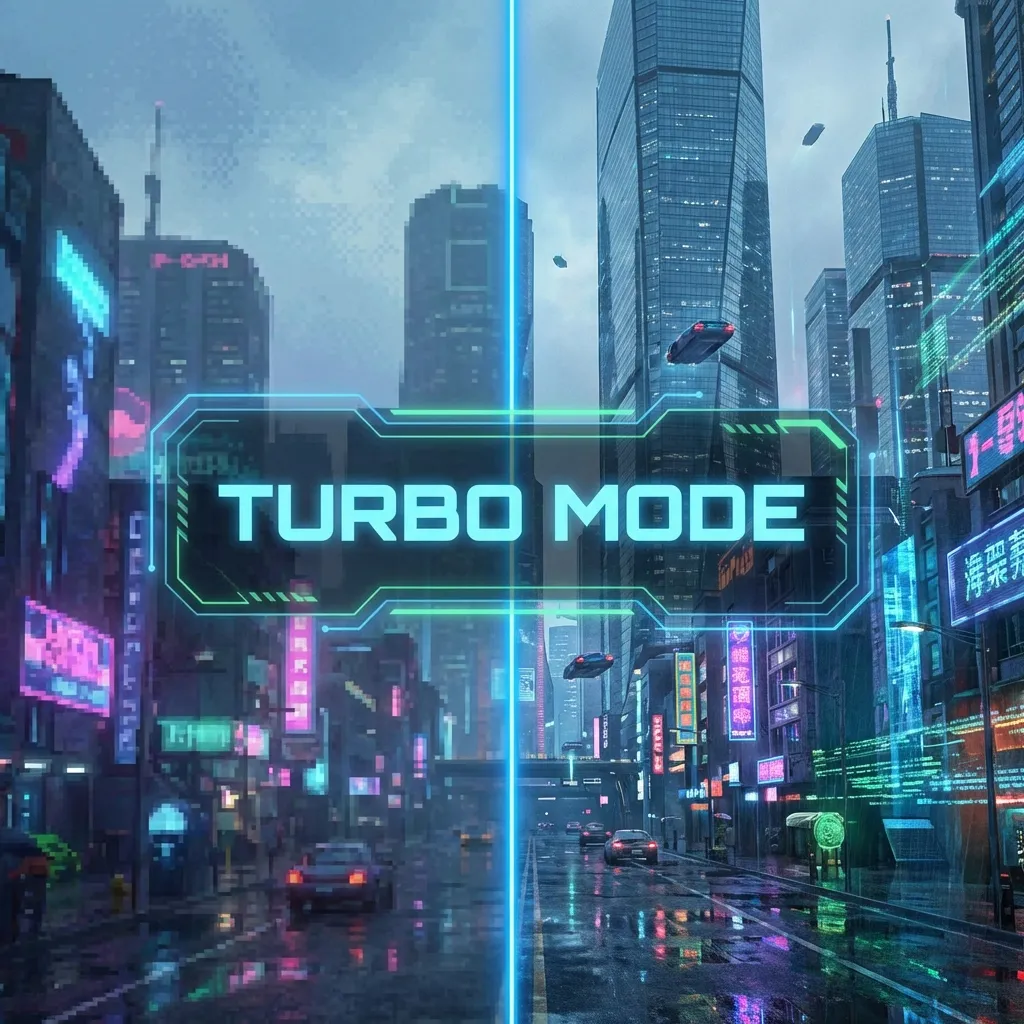
As shown in the comparison above, Z-Image-Turbo is designed for deployment environments where every millisecond counts. It can generate high-fidelity 1024x1024 images in just 8 steps. This makes it ideal for real-time applications like Z-Image Turbo where users demand instant feedback.
2. Bilingual Mastery
Most global models struggle with non-English text. Z-Image excels at rendering accurate text in both Chinese and English. Whether you're designing bilingual posters or localized marketing assets, Z-Image handles typography with surprising precision.
3. Unmatched Versatility
Z-Image isn't just for photorealism. Its "Edit" variant allows for instruction-based editing—letting you change the season of a landscape or the style of a portrait using simple natural language commands.

Why It Matters for Developers
For developers building the next generation of creative tools, Z-Image offers a commercially friendly Apache 2.0 license. This openness contrasts sharply with closed ecosystems, empowering you to build features like Reference to Video or Image to Video pipelines that integrate Z-Image as a rapid initial conceptualizer before moving to video generation models like LTX-2.
Getting Started
You can try Z-Image directly on our platform or deploy it locally using ComfyUI. For those looking to integrate video capabilities alongside their image workflows, check out our Video Extension tools which pair perfectly with Z-Image generated assets.
Conclusion
Z-Image proves that open-source AI is not just catching up—it's leading. With its 6B parameter architecture and optimized Turbo variants, it offers the best balance of speed, quality, and accessibility in the market today.