
Z-Image 2026: The Ultimate Guide to Alibaba's Open-Source AI Image Generator
Description: A comprehensive guide to Z-Image in 2026 - exploring Alibaba's open-source AI image generator, comparing it with Midjourney and DALL-E, covering its bilingual text rendering capabilities, local deployment options, and real-world use cases.
The AI image generation landscape has evolved dramatically in 2026, and one model has emerged as a game-changer for creators seeking open-source alternatives: Z-Image. Developed by Alibaba's Tongyi-MAI lab, this efficient 6B-parameter model has proven that you don't need proprietary systems or massive compute resources to generate stunning visuals.
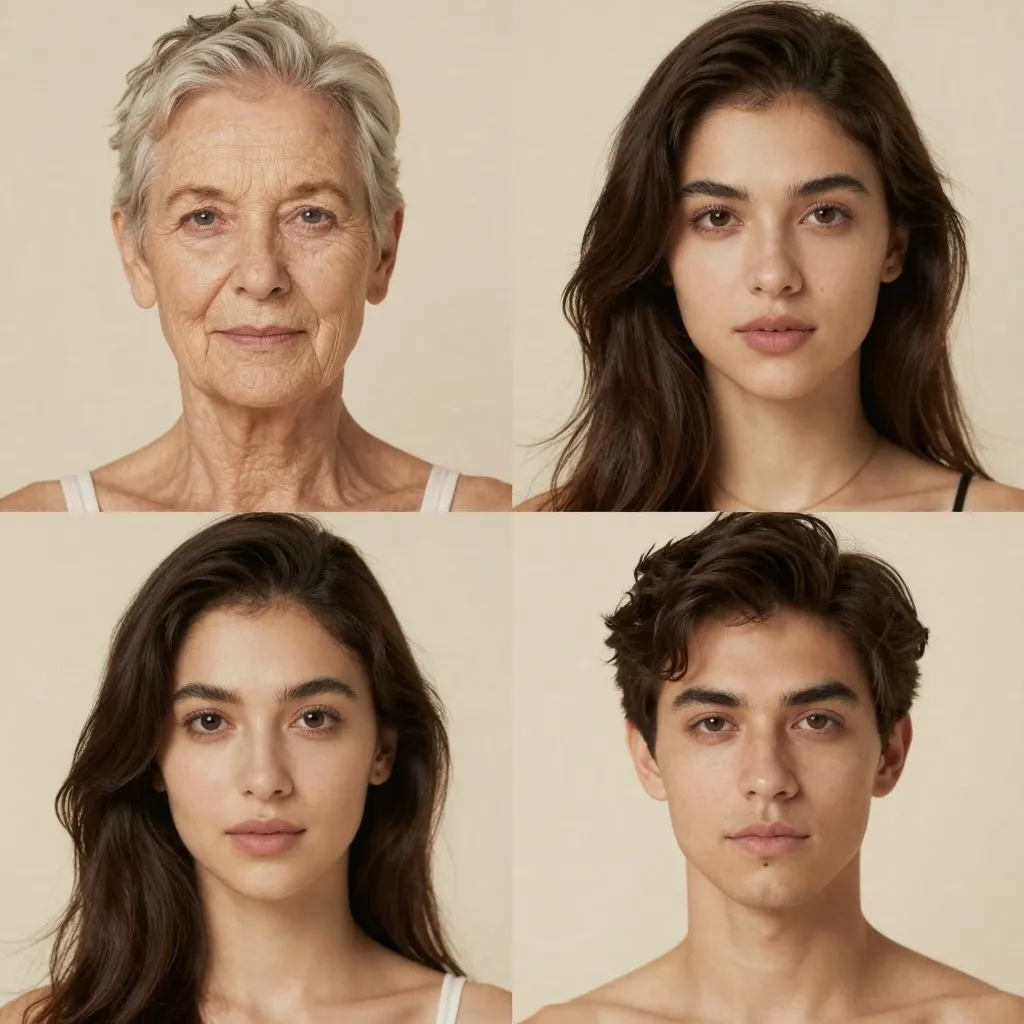
What Makes Z-Image Special?
Z-Image isn't just another image generator—it's a statement about the future of accessible AI creativity. Unlike closed-source competitors like Midjourney or DALL-E, Z-Image is fully open-source under the Apache 2.0 license, meaning you can run it locally, modify it, and even use it commercially without paying subscription fees.
The Three Model Variants
As of 2026, the Z-Image family consists of three specialized versions:
-
Z-Image Turbo - The distilled version optimized for speed. Generates quality images in just 8 sampling steps, making it one of the fastest production-ready models available.
-
Z-Image Base - The non-distilled foundation model released in January 2026. Offers superior quality with full CFG scaling support and better response to negative prompts.
-
Z-Image Edit - An instruction-following image editing variant (coming soon) for precise img2img transformations.
Z-Image vs. The Competition
Speed Comparison
Where traditional diffusion models like Stable Diffusion XL require 25-50 steps, Z-Image Turbo achieves comparable results in just 8 steps. On an RTX 4090, that means sub-second generation times. Even on consumer hardware with 16GB VRAM, you're looking at 2-3 seconds per image—a massive advantage for workflows requiring rapid iteration.
Quality Benchmarks
According to the Artificial Analysis Text-to-Image Leaderboard, Z-Image Turbo ranks as the #1 open-source model globally, competing toe-to-toe with proprietary giants like Google's Nano Banana Pro and OpenAI's GPT Image 1.5.
The Killer Feature: Bilingual Text Rendering
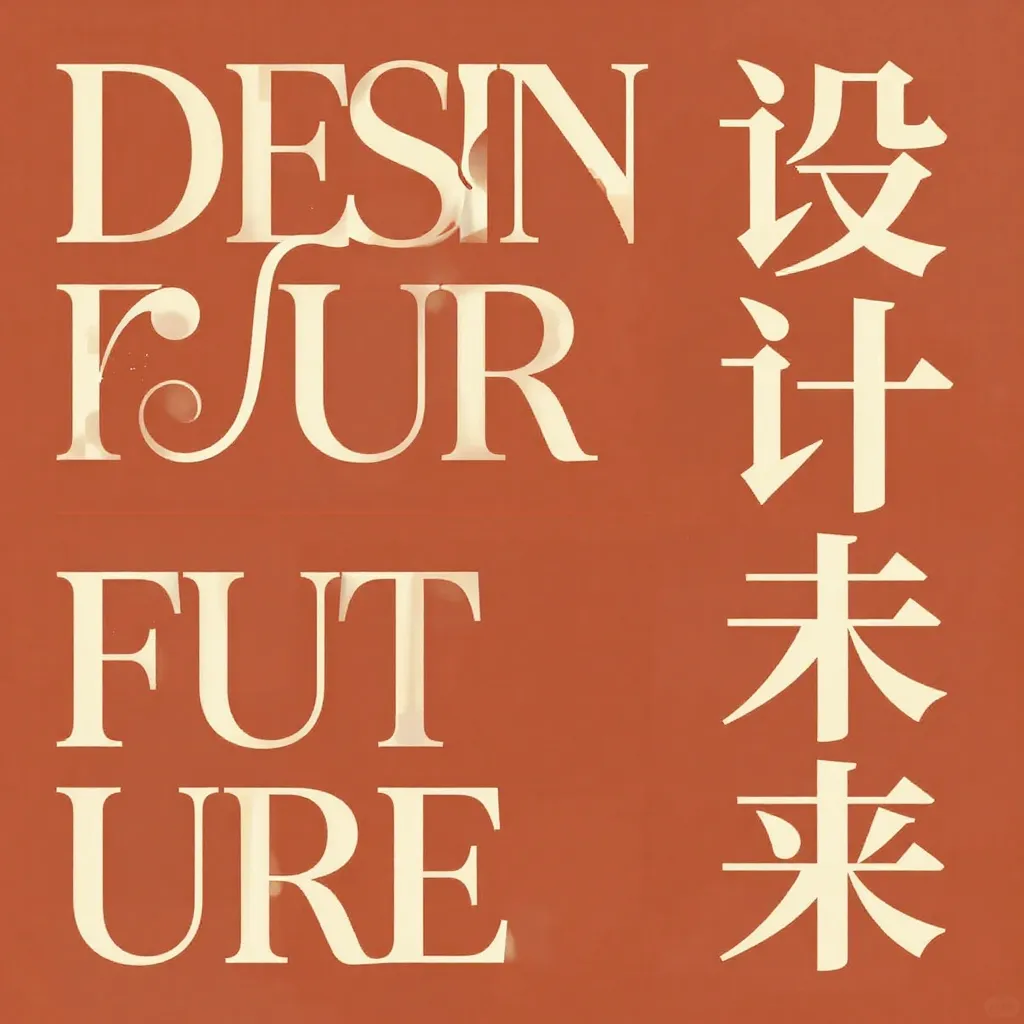
This is where Z-Image truly shines. While most Western models struggle with non-Latin scripts, Z-Image renders both English and Chinese text with equal precision. This makes it invaluable for:
- Marketing materials targeting Asian markets
- UI/UX mockups with accurate localized content
- Educational content in multiple languages
- Social media graphics for global audiences
According to Z.ai's official research, Z-Image achieves 86.71% average word accuracy across 2-5 region tests—significantly outperforming most competitors in bilingual scenarios.
Getting Started with Z-Image
Option 1: Local Deployment with ComfyUI
For complete control and privacy, running Z-Image locally is the way to go.
Requirements:
- NVIDIA GPU with 8GB+ VRAM (16GB recommended for Base model)
- 16GB+ RAM
- 20GB free storage
- Latest ComfyUI installation
Quick Setup:
- Download model weights from Hugging Face
- Place files in your ComfyUI models directory
- Load the official Z-Image workflow template
- Start generating
The community has created comprehensive guides for low-VRAM setups and ComfyUI workflows.
Option 2: Cloud API Integration
For enterprise deployments or users without powerful GPUs, Z-Image is available through multiple API providers including WaveSpeed AI, offering pay-per-use pricing that scales with your needs.
Real-World Use Cases
E-Commerce Product Photography
Z-Image Turbo's speed advantage makes it ideal for high-volume product visualization. Generate lifestyle shots, background variations, and seasonal updates in seconds rather than hours of traditional photoshoots.
Character Design for Games & Media
With strong character consistency and the ability to train custom LoRAs, Z-Image is becoming a favorite among indie game developers and content creators. The Z-Image Base model particularly excels at maintaining character identity across multiple generations.
Marketing & Social Media
The bilingual text rendering capability combined with fast generation makes Z-Image perfect for creating localized marketing campaigns at scale. Generate platform-specific creatives for Instagram, WeChat, and TikTok from a single source of truth.
The 2026 Verdict
Z-Image represents a pivotal moment in AI image generation. It proves that open-source models can compete with—and in some areas surpass—proprietary systems. The combination of speed, quality, bilingual capabilities, and commercial freedom makes it an essential tool for any creator's toolkit in 2026.
Whether you're a solo creator tired of subscription fees, a business needing local deployment for data privacy, or simply someone who wants to understand how AI image generation works under the hood, Z-Image offers a compelling solution.
Ready to get started? Check out our Z-Image Turbo documentation or explore the inspiration gallery to see what's possible.